Groningen is a city with a rich architectural heritage. Canal houses, grand town residences, and characteristic urban homes adorn its historic streets. Many of these properties are due for thorough renovation. But how do you approach renovating a historic property? In this article, we share our practical experience.
The challenge of historic properties
Historic properties present unique challenges:
- Aged structural frameworks: load-bearing joists, roof trusses, and foundations that do not meet contemporary engineering standards
- Hidden surprises: behind old wall coverings and floorboards, unexpected damage or historic alterations often lurk
- Authentic details: ornamental plaster mouldings, solid oak beams, original ceramic tiles, and facade details that must be preserved
- Restricted accessibility: narrow streets, alleys, and lack of parking in the center of Groningen
Our approach to historic renovation
Step 1: Thorough survey
Before commencing, we map the structural condition of the building down to the smallest detail. Which load-bearing structures are sound? Which architectural elements are worth restoring? Where are engineering interventions needed?
Step 2: Tailored renovation plan
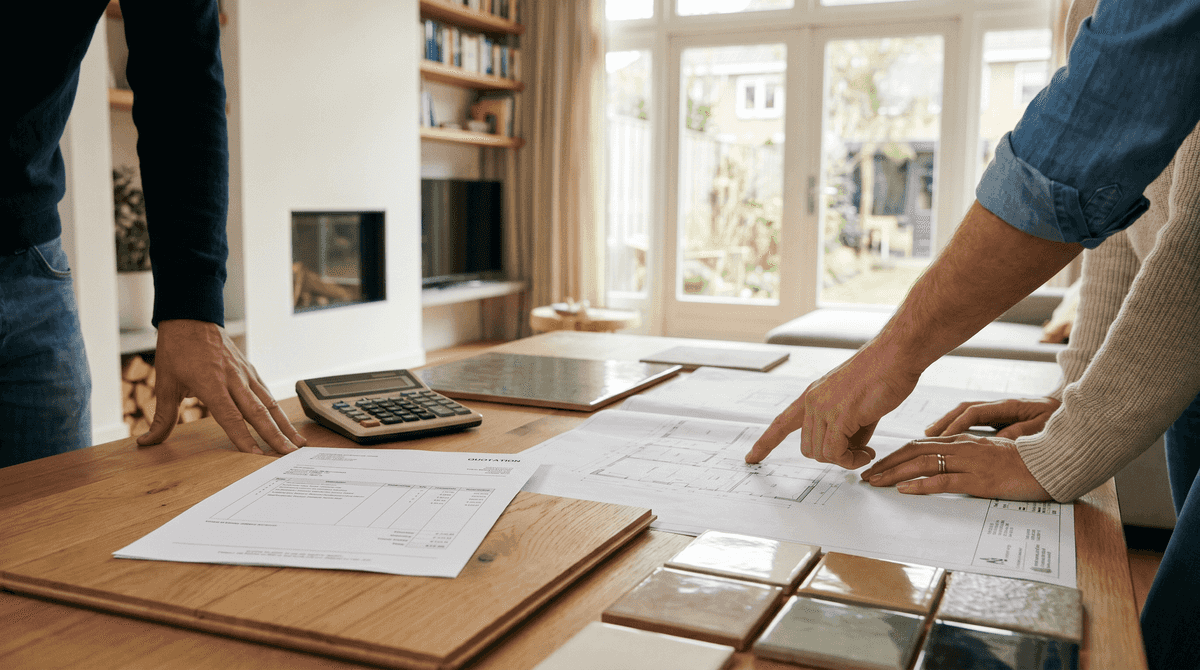
Based on the survey, we draw up a detailed renovation plan. This specifies precisely what happens, in what sequence, and with which materials. You know exactly what to expect in advance.
Step 3: Meticulous execution
During execution, our craftsmen work with deep respect for historic fabric. Authentic elements are protected or expertly restored. Modern electrical, plumbing, and ventilation systems are integrated as discreetly as possible.
Step 4: Modern comfort, authentic character
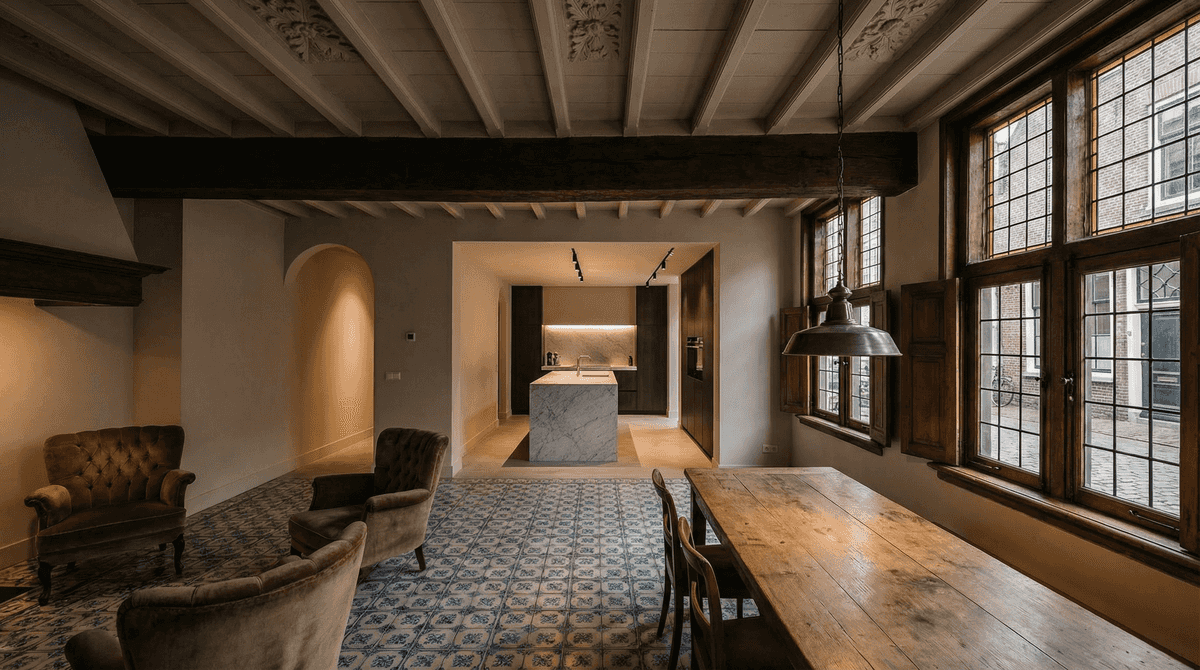
The end result: a home that preserves the unique atmosphere and soul of the historic building, while providing modern insulation, smart heating, and contemporary comfort.
Real-world project: Gedempte Zuiderdiep, Groningen
On the Gedempte Zuiderdiep, we fully renovated a historic city center building:
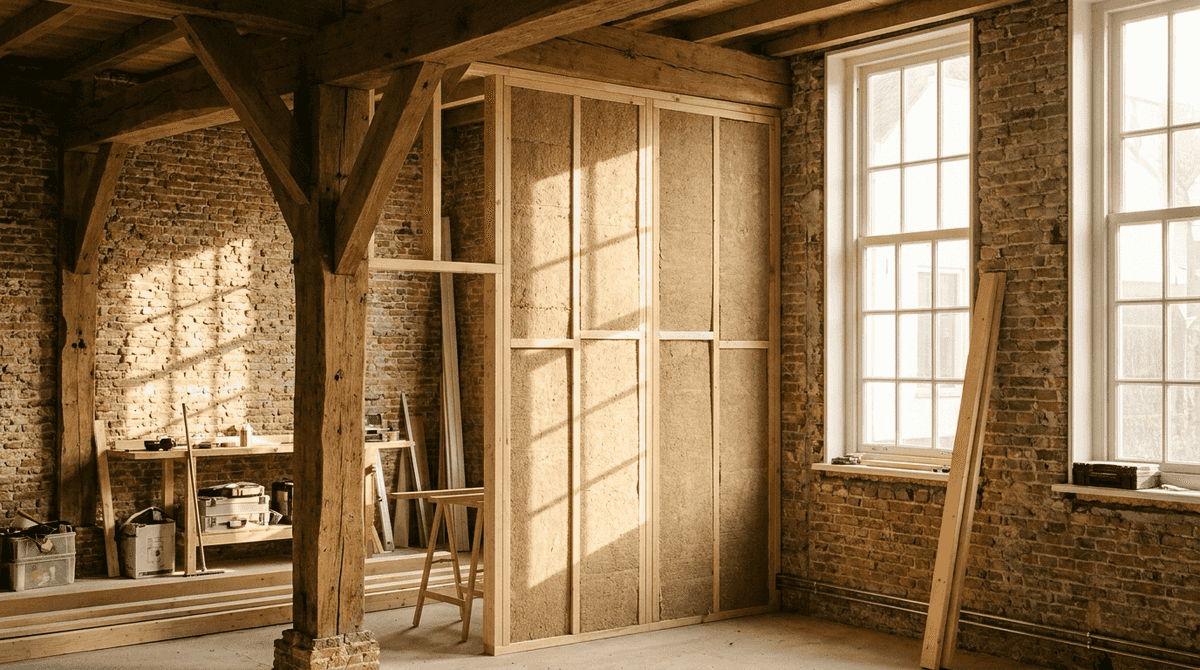
- The building was stripped down to the bare brick masonry and load-bearing timber frame
- Complete renewal of all plumbing, drainage, and electrical circuits
- Low-temperature underfloor heating installed
- Solid oak parquet flooring laid
- Original ornamental plaster ceiling work and wooden ceiling beams preserved and restored
- Modern luxury bathroom and kitchen fitted
The result is a warm, comfortable home that completely honors its authentic historical character.
Costs of renovating a historic property
The costs of historic renovations are generally higher than standard home renovations:
- More specialized handcraft and bespoke joinery
- Restorative craftsmanship on original ornaments and masonry
- Unforeseen remedial work uncovering hidden historic defects
- Complex logistics and material deliveries in the city center
Count indicatively on €25,000 to €100,000+ for a thorough renovation, depending on size, scope, and structural condition. This is a rough guideline. Occasionally, a renovation can be more economical when the framework is sound and interventions are targeted. It can also cost more due to unforeseen defects, heritage conservation requirements, planning stipulations, or high-end bespoke finishes. Request a free site survey and quote to discover what your property genuinely needs.
Tips for historic building renovation
- Choose a builder with proven heritage experience: not every general contractor understands historic lime mortars, traditional joinery, or aged brickwork
- Budget for unforeseen works: reserve a 10-15% contingency margin
- Invest in breathable, vapor-permeable insulation: historic solid brick walls must breathe to prevent trapped moisture and rot
- Preserve what is authentic and irreplaceable: period details are what give your property its timeless value
Planning a historic renovation?
Do you own a historic property in Groningen in need of renovation? Heidstra Bouw has extensive experience in the renovation of historic buildings. Contact us for a free consultation at info@heidstrabouw.nl or call 06-36549707. See also building company Groningen for our regional approach.